
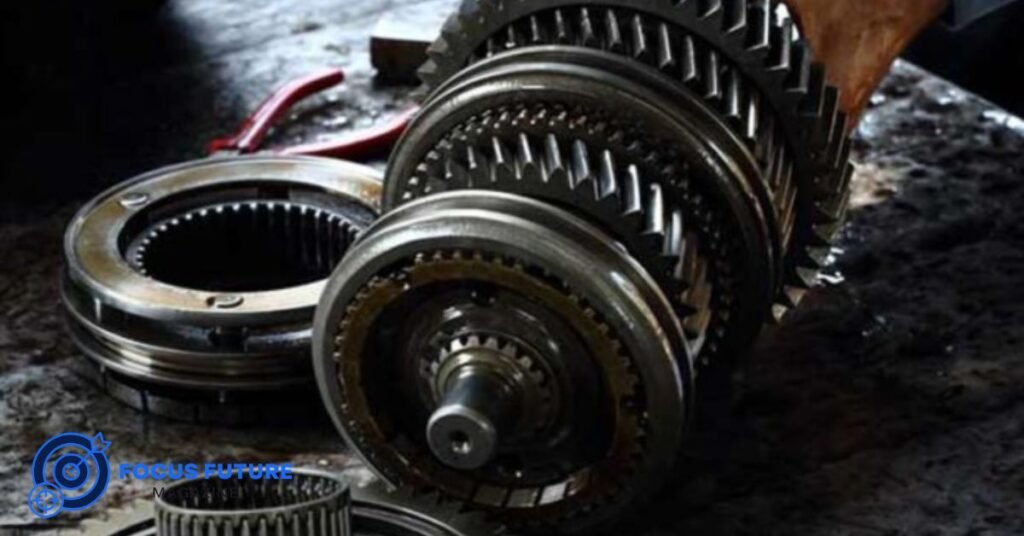
Transmission slipping means your transmission cannot hold power steady between the engine and the wheels. The engine revs higher, but your car doesn’t speed up the way it should. This is called transmission slipping meaning a loss of grip inside the gearbox, and it’s usually a sign something needs attention soon.
If you’ve noticed your RPM jumping while your speed stays flat, you’re not imagining things. Below, we’ll walk through what causes it, how serious it is, and what to do next.
What Transmission Slipping Means
Transmission slipping happens when the transmission loses its firm connection between the engine and the drive wheels. The engine keeps spinning faster, but that power doesn’t fully reach the road.
In an automatic transmission, this usually points to low hydraulic pressure, worn clutch packs, a bad torque converter, or dirty fluid. In a manual transmission, it’s most often a worn clutch disc that can’t hold engine torque anymore, especially in higher gears or under load.
Either way, the basic problem is the same: power is going in, but it’s not coming out the way it should. Understanding this transmission slipping meaning is the first step to knowing whether you’re dealing with a quick fix or a bigger repair.
The Main Symptoms
What Does a Slipping Transmission Feel Like?
Itusually feels like a sudden “whoosh” of engine noise with no matching push forward. You might also notice delayed acceleration, gears that change on their own, trouble getting into gear, or harsh, jerky shifts. Some drivers describe it as the car feeling disconnected from the gas pedal for a second or two.
A burnt smell from the fluid is another common clue, especially if the transmission has been overheating.
Why Do RPMs Rise Without Acceleration?
Your tachometer (RPM gauge) shows how fast the engine is spinning. Your speedometer shows how fast you’re actually moving. Normally, these rise together.
When the transmission slips, the clutch material or hydraulic pressure can’t hold that spinning power, so it spins faster without pushing the car forward at the same rate. This RPM-versus-speed mismatch is the clearest sign of true transmission slipping, separate from other issues like harsh shifting or engine hesitation.
Common Causes
Can Low Fluid Cause Slipping?
Yes. Transmission fluid creates the hydraulic pressure that clamps clutch packs and bands together. When fluid runs low, that pressure drops, and the clutches can’t hold, causing slipping. Low fluid is almost always a sign of a leak, not normal fluid use, since transmissions aren’t designed to burn fluid the way engines burn oil.
Can Bad Fluid Cause Slipping?
Yes. Old, overheated, or contaminated fluid loses its ability to build pressure and lubricate properly. Firestone notes that insufficient or contaminated fluid can lead to overheating and gear damage, particularly in automatic transmissions. A clogged filter can cause the same pressure problems even if the fluid level looks fine.
Automatic Transmission Problems
Automatics can slip because of worn clutch packs, weak bands, a failing torque converter, a faulty shift solenoid, or a damaged valve body. Any part that manages hydraulic pressure or gear engagement can cause slipping if it wears out or fails electronically.
Manual Clutch Problems
In a manual car, slipping almost always means the clutch disc is worn down. It can no longer grip the flywheel and pressure plate tightly enough, especially in third gear and above or when climbing hills. This is a mechanical wear issue, not a fluid issue.
CVT and DCT Problems
Continuously variable transmissions (CVTs) and dual-clutch transmissions (DCTs) behave differently than traditional automatics. CVTs can feel like they’re slipping due to belt or pulley wear, fluid issues, or control faults, but this isn’t always a true slip. DCTs can develop clutch wear similar to manual transmissions. These systems need model-specific diagnostics rather than generic assumptions.
Cold, Hot, and Load-Related Slipping
Why Does It Slip When Hot?
Heat thins out transmission fluid, which lowers hydraulic pressure. Combine that with worn seals or an overheating transmission, and clutches can start to slip once the vehicle has been driving a while, towing, or climbing hills.
Why Does It Slip When Cold?
Cold fluid is thicker and doesn’t flow as easily, which can affect pressure and gear engagement until the vehicle warms up. If slipping continues well after the vehicle is warm, that points toward an actual mechanical or electronic problem rather than normal cold-weather behavior.
How Mechanics Diagnose It
Fluid and Leak Inspection
A technician checks fluid level, color, smell, and condition, and looks for leaks around the pan, cooler lines, and seals. Because fluid-check procedures vary by vehicle — and some newer transmissions don’t even have a dipstick — this step always follows the manufacturer’s exact process.
Solenoids, Valve Bodies, and Sensors
Shift solenoids control fluid flow to specific clutches and bands. A scan tool reads diagnostic trouble codes and live data, comparing commanded gear to actual gear, along with input and output shaft speeds. This narrows down whether the issue is electronic or mechanical.
Clutches, Bands, and Torque Converters
If codes and fluid checks don’t explain the problem, technicians may test hydraulic line pressure or inspect the valve body, clutch packs, and torque converter directly. This step usually only happens once simpler causes are ruled out.
Is It Safe to Keep Driving?
Mild, occasional slipping that still lets you drive normally can usually make it to a repair shop, as long as you avoid hard acceleration and long trips. But slipping tends to get worse the longer it’s ignored, since the same worn clutch material keeps grinding against itself.
Don’t treat a first RPM flare as something to watch for weeks. Book a diagnosis as soon as symptoms show up.
When Should I Tow the Vehicle?
Stop driving and call a tow truck if you notice any of these:
- Complete loss of Drive or Reverse
- Loud grinding, clunking, or banging noises
- A strong burning smell or visible smoke
- Heavy fluid leaking
- A transmission temperature warning light
- Sudden loss of propulsion or the car slipping into neutral on its own
- A known safety recall involving propulsion or gear selection
Repair Options
Repair Cost Factors
Cost depends heavily on the actual cause. Here’s a general range based on published repair data:
| Repair Type | Approximate Cost |
|---|---|
| Transmission fluid change | $250–$350 |
| Minor repair (leak, solenoid, sensor) | A few hundred dollars |
| Transmission rebuild | $4,500–$6,000 or more |
| Full transmission replacement | $1,750–$4,000 for the unit, plus fluid and labor |
These are general ranges, not guaranteed quotes — always get a written estimate for your specific vehicle.
Rebuild Versus Replacement
A rebuild repairs and replaces worn internal parts in your existing transmission. A replacement swaps in a new, used, or remanufactured unit entirely. The right choice depends on the transmission’s age, mileage, and how extensive the damage is — ask your shop to explain the diagnostic evidence behind their recommendation.
Can a Fluid Change Fix Slipping?
Sometimes, if the cause is purely low or degraded fluid. But a fluid change can’t restore clutch material that’s already worn away. If slipping starts right after a fluid service, it often means existing wear was already there and simply became noticeable — not that the new fluid caused the problem.
Can an Additive Fix Slipping?
Not reliably. Kelley Blue Book describes “stop-slip” additives as something that may buy a little time, not a real repair. Treat them as a short-term band-aid at best, never a substitute for diagnosis.
Recalls and Technical Bulletins
Some Transmission slipping complaints trace back to a specific vehicle’s technical service bulletin or safety recall rather than ordinary wear. The National Highway Traffic Safety Administration (NHTSA) keeps a searchable database of recalls and investigations by VIN. It’s worth checking before paying for a repair, especially on a newer vehicle.
Maintenance and Prevention
A few habits go a long way toward avoiding slipping in the first place:
- Follow your owner’s manual for fluid type and change intervals — they vary a lot between manufacturers.
- Check fluid at the correct temperature and gear position, as instructed for your specific vehicle.
- Fix leaks immediately instead of just topping off fluid.
- Avoid repeated hard acceleration, especially in an older or high-mileage vehicle.
- Never overfill the transmission — Kia’s owner’s manual specifically warns that overfilling can cause foaming and malfunction, while low fluid can cause shift slippage.
Common Diagnostic Mistakes
Avoid these mistakes, whether you’re doing it yourself or reviewing a shop’s work:
- Adding fluid without finding and fixing the leak
- Using the wrong fluid type for your transmission
- Checking fluid at the wrong temperature or gear position
- Clearing diagnostic codes before they’re recorded
- Assuming dark fluid alone means the transmission needs replacing
- Confusing engine misfire or tire spin with true transmission slipping
- Accepting a rebuild or replacement without asking for diagnostic proof
Questions to Ask a Repair Shop
Before agreeing to any repair, ask:
- What exact evidence points to this diagnosis — codes, pressure test, fluid inspection, or internal inspection?
- Can I get a written estimate that separates diagnosis, fluid service, and repair costs?
- Is the replacement part new, used, rebuilt, or remanufactured?
- What’s the warranty length, mileage limit, and what does it cover?
- Has this VIN been checked for open recalls or technical service bulletins?
FAQs
What does transmission slipping feel like? Transmission slipping feels like the engine revs up suddenly while the car barely speeds up, sometimes with a delay, jerk, or unexpected gear change.
Is transmission slipping dangerous? Transmission slipping can become dangerous if it worsens suddenly, especially if you lose Drive or Reverse entirely or notice burning smells, smoke, or heavy leaks. Mild slipping is less urgent but should still be checked soon.
Can low transmission fluid cause slipping? Yes. Low fluid reduces hydraulic pressure, which prevents clutches and bands from holding properly. Low fluid usually means there’s a leak somewhere.
Will a transmission fluid change fix slipping? It can help if fluid condition or level is the actual cause. It won’t restore already-worn clutch material or fix a failed solenoid or valve body.
How much does it cost to fix a slipping transmission? Costs range widely: a fluid change runs about $250–$350, minor repairs can be a few hundred dollars, a rebuild is typically $4,500–$6,000 or more, and full replacement can run $1,750–$4,000 for the unit alone, plus labor and fluid.
Can a CVT transmission slip? Yes, though it can feel different from a conventional automatic. CVT “slipping” sensations can come from belt or pulley wear, fluid issues, or control faults, and need model-specific diagnosis.
Should I keep driving with a slipping transmission? Mild, occasional slipping that still lets you drive normally can usually make it to a shop if you avoid hard acceleration. Anything involving grinding noises, burning smells, smoke, heavy leaks, or loss of gear engagement means you should stop and tow the vehicle instead.
Conclusion
Transmission slipping comes down to one core idea: the engine spins faster, but that power doesn’t fully reach the wheels. The cause could be as simple as low or worn-out fluid, or as involved as a failing clutch pack, solenoid, or torque converter. Automatic, manual, CVT, and DCT transmissions each fail in slightly different ways, so an accurate diagnosis — not guesswork — is the only way to know what’s really wrong. Catching the symptoms early and getting a proper inspection can be the difference between a simple fluid service and a full rebuild.