
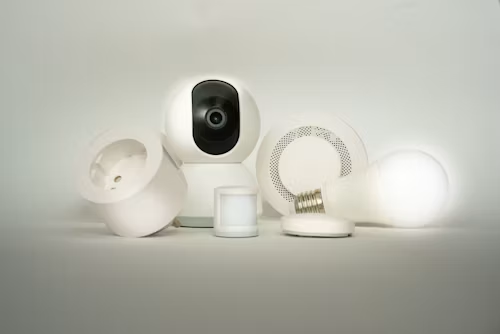
Smart home technology used to mean a tangle of competing apps, incompatible devices, and setup headaches that outweighed the convenience. That’s finally starting to change, and it’s making smart homes appealing to people who previously avoided them.
Interoperability Finally Arrived
Cross-platform standards now let devices from different manufacturers work together reliably, removing the biggest historical frustration with smart home setups — being locked into a single ecosystem.
Automation Is Getting Genuinely Useful, Not Just Novel
Early smart home automation felt gimmicky — lights that changed color for fun. Now automations focus on real convenience: routines that adjust heating based on occupancy patterns, or security systems that reduce false alarms through smarter sensors.
Privacy Concerns Are Shaping Product Design
As awareness of data collection grows, more smart home brands are emphasizing local processing over cloud dependency, giving privacy-conscious buyers a real choice rather than an afterthought.
Getting Started Without Overcomplicating It
For newcomers, starting with a single reliable hub and adding devices gradually tends to work better than buying an entire ecosystem at once — both for budget and for actually learning what’s useful day to day.