

A gluten free lactose free breakfast leaves out wheat, barley, rye, and milk sugar, but it doesn’t have to leave out flavor or fullness. With the right foods, you can build a morning meal that is safe, satisfying, and easy to repeat all week.
Understanding Gluten and Lactose
Gluten is a protein found in wheat, barley, and rye. Lactose is the natural sugar in milk and dairy products. People avoid one or both for different reasons.
Some people have celiac disease, a condition where gluten damages the small intestine. Others have non-celiac gluten sensitivity, which causes discomfort without the same intestinal damage. Lactose intolerance happens when the body can’t properly digest milk sugar, leading to bloating, gas, or stomach pain.
It helps to know the difference between “lactose-free” and “dairy-free.” Lactose-free products, like lactose-free milk, still come from dairy but have had the lactose removed or broken down. Dairy-free products contain no animal milk at all. This distinction matters a lot when picking safe breakfast foods.
Why Breakfast Is Challenging
Breakfast is the hardest meal to adjust because it’s built around wheat and dairy. Toast, cereal with milk, yogurt, and pancakes are classic morning staples that almost always contain gluten, lactose, or both.
Removing both at once can feel limiting at first. Many people also worry about eating the same few “safe” foods on repeat, which gets boring fast. The good news is that once you understand which whole foods are naturally free of both, your options open up quickly.
Safe Foods for Breakfast
Many everyday breakfast ingredients are naturally free of gluten and lactose, which makes it easier to build a varied plate.
Protein sources: eggs, tofu, lactose-free yogurt, chickpeas, nuts, seeds, and nut butters.
Whole carbs and fiber: certified gluten-free oats, quinoa, buckwheat, rice, and millet.
Healthy fats and toppings: avocado, olive oil, chia seeds, flaxseed, and hemp hearts.
Fresh fruit, vegetables, and plant milks (soy, almond, oat, coconut, or rice) round out a well-balanced plate without added gluten or dairy.
Building a Balanced GF DF Breakfast
A good breakfast combines protein, fiber, and healthy fat so you stay full longer. Aim to pair one item from each of the three groups above on your plate.
For example: scrambled eggs (protein) with avocado (fat) on gluten-free toast (fiber), or a smoothie with soy milk, banana, and hemp seeds. This simple formula works for almost any combination of ingredients you have on hand.
Quick Breakfast Ideas
When mornings are busy, these five-minute or grab-and-go ideas work well:
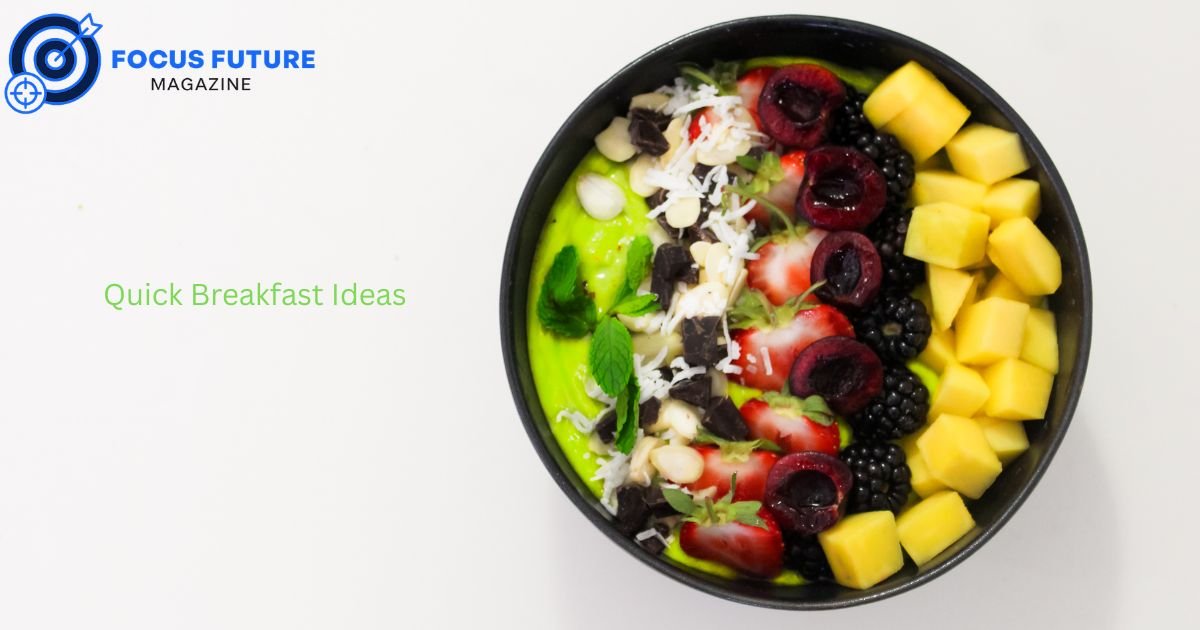
- Overnight oats made with certified gluten-free oats and oat milk
- Chia pudding with berries and almond milk
- A smoothie with plant milk, spinach, and nut butter
- Avocado mashed on gluten-free toast with a fried egg
- Lactose-free yogurt topped with fruit and gluten-free granola
High-Protein Breakfast Options
Getting 20–30 grams of protein at breakfast is a growing trend, and it’s very doable without gluten or dairy.
Egg-based meals: veggie omelets, frittatas, or egg muffins with spinach and peppers.
Egg-free protein ideas: tofu scramble with turmeric and vegetables, or a smoothie built with a plant-based protein powder, seeds, and nut butter.
Combining two protein sources, such as eggs plus seeds, or tofu plus lactose-free yogurt, is the easiest way to hit a solid protein target.
Kid-Friendly Breakfast Ideas
Kids often prefer familiar shapes and mild flavors. Gluten-free pancakes and waffles made with rice or oat flour, topped with fruit and maple syrup, tend to go over well.
Muffins and mini egg bites are also easy to make ahead and pack for school. Using plant milk instead of dairy milk in the batter keeps the recipe both gluten- and lactose-free without changing the taste much.
Label Reading and Hidden Ingredients
Reading labels carefully is one of the most important skills for a safe gluten free lactose free breakfast.
How to spot gluten: look for wheat, barley, rye, malt, and “may contain gluten” warnings. Standard oats often carry gluten from cross-contamination, so choose oats labeled “certified gluten-free.”
How to spot lactose: watch for milk, milk powder, whey, casein, and butter listed in ingredients, especially in sausages, breakfast bars, and flavored cereals where dairy is sometimes hidden.
Managing Cross Contamination
Cross-contamination is a real risk for people with celiac disease, even at home.
Simple kitchen practices help a lot: use a separate toaster or toaster bags for gluten-free bread, keep a dedicated gluten-free butter or spread, and store gluten-free oats and flours away from regular ones. When eating out for breakfast, ask staff directly how food is prepared, since shared grills and toasters are common sources of contamination.
Special Diet Scenarios
Some people need to manage more than one restriction at a time, such as low FODMAP, egg-free, or nut-free needs alongside gluten and lactose.
For low FODMAP mornings, stick to lactose-free dairy or lactose-free yogurt, and choose fruits like berries or oranges over high-FODMAP options. For egg-free breakfasts, tofu scramble, chia pudding, or oat-based bakes work as good substitutes.
Budget and Meal Prep
Specialty gluten-free and dairy-free products can be expensive, but naturally free foods like eggs, potatoes, rice, oats, and frozen vegetables keep costs down.
For weekly breakfast prep, overnight oats, baked egg muffins, and chia pudding all store well in the fridge for several days. Making a batch on Sunday saves time and reduces decision fatigue during the week.
| Meal Prep Idea | Fridge Life | Reheats Well? |
| Overnight oats (GF oats + plant milk) | 3–4 days | No reheating needed |
| Baked egg muffins | 4–5 days | Yes |
| Chia pudding | 4–5 days | No reheating needed |
| Breakfast casserole (GF, DF) | 3–4 days | Yes |
Health and Nutrition
When cutting out gluten and dairy, it’s worth paying attention to calcium, vitamin D, B vitamins, and iron, since fortified cereals and dairy are common sources of these nutrients.
Calcium-fortified plant milks, leafy greens, and lactose-free dairy can help fill this gap. If you’re removing several food groups at once, talking with a registered dietitian is a smart way to make sure your breakfast still supports your overall nutrition.
Frequently Asked Questions
See the FAQ section below for direct answers to the most common reader questions.
Advanced Tips and Expert Advice
Nutrition-focused guides consistently recommend building breakfast around whole foods rather than ultra-processed gluten-free and dairy-free products, which are often high in sugar and low in protein or fiber.
Rotating plant milks helps diversify nutrients — soy milk offers more protein, while calcium-fortified almond milk supports bone health. Turning last night’s dinner into breakfast, such as leftover rice and vegetables with a fried egg, is another practical way to reduce morning stress while staying within your dietary needs.
Conclusion
A gluten free lactose free breakfast is easier to manage once you know which whole foods work naturally, how to read labels, and how to plan ahead. With a little preparation, mornings can be filling, varied, and completely free of gluten and lactose without feeling repetitive.
FAQs
What is a good gluten-free dairy-free breakfast? Eggs with avocado on gluten-free toast, oatmeal made with certified gluten-free oats and plant milk, or a smoothie with soy milk and fruit are all good options.
Can I eat oats if I’m gluten-free and lactose-free? Yes, as long as the oats are labeled “certified gluten-free” to avoid cross-contamination, and you prepare them with plant milk or lactose-free milk instead of regular dairy milk.
Can I eat yogurt if I’m lactose intolerant? Lactose-free yogurt is usually fine since the lactose has been removed or broken down. Regular yogurt still contains lactose and may cause symptoms.
What bread is gluten-free and dairy-free? Most plain gluten-free breads made from rice, corn, or a gluten-free flour blend are also dairy-free, but always check the ingredient label for milk powder or whey.
How can I get enough protein at breakfast without gluten or dairy? Combine two protein sources, such as eggs with seeds, or tofu with nut butter, to reach around 20–30 grams of protein per meal.
What are quick gluten-free dairy-free breakfast ideas? Overnight oats, chia pudding, smoothies, and egg muffins are all fast options that take five to ten minutes to prepare or can be made ahead.
Are traditional breakfast foods like sausage gluten- and lactose-free? Not always. Some sausages use gluten or dairy as fillers or flavorings, so it’s important to check the label before assuming they are safe.
What can kids eat for a gluten-free dairy-free breakfast? Pancakes or waffles made with gluten-free flour and plant milk, topped with fruit, are usually a hit with kids and fit the diet.