
Croatian beaches are famous for clear turquoise water, pebble and rock shores, and hundreds of hidden coves along the Adriatic coast. Most are free to visit, though sunbeds and umbrellas usually cost extra. This guide covers everything you need to plan your trip, from the best beaches to pack lists and 2026 water quality updates.
What Are Croatian Beaches Like?
Croatian beaches are mostly pebble or rock, not sand. The coastline stretches along the Adriatic Sea, with dramatic cliffs, pine trees, and water so clear you can often see the bottom several meters down.
True sandy beaches do exist, but they are rare. You’ll find them mostly in the north, at spots like Nin, Sakarun on Dugi Otok, and parts of Rab island. Everywhere else, expect smooth pebbles, flat rocks, or a mix of both.
This pebble-heavy landscape is actually part of the charm. The water stays remarkably clear because pebbles don’t stir up sand the way sandy beaches do. But it also means you should pack the right gear before you go.
The coast is divided into a few key regions: Istria in the north (rockier, quieter), Kvarner, Northern and Central Dalmatia, the Makarska Riviera, and Southern Dalmatia near Dubrovnik. Each has its own character, and the islands — Brač, Hvar, Vis, Korčula, and others — add even more variety.
Best Time to Visit Croatia Beaches
June and September are the best months to visit Croatian beaches. The sea is warm, crowds are smaller, and prices drop compared to peak summer.
Here’s a general breakdown of sea temperatures by month:
| Month | Sea Temperature | Crowd Level |
| June | 21–23°C | Moderate |
| July | 24–26°C | High |
| August | 25–27°C | Very High |
| September | 23–24°C | Moderate |
| October | Cooler, still swimmable in south | Low |
July and August are the warmest months, but they’re also the busiest and most expensive. If you can, aim for the shoulder season. You’ll get warm water without fighting for a spot on the beach.
Top 10 Best Beaches in Croatia
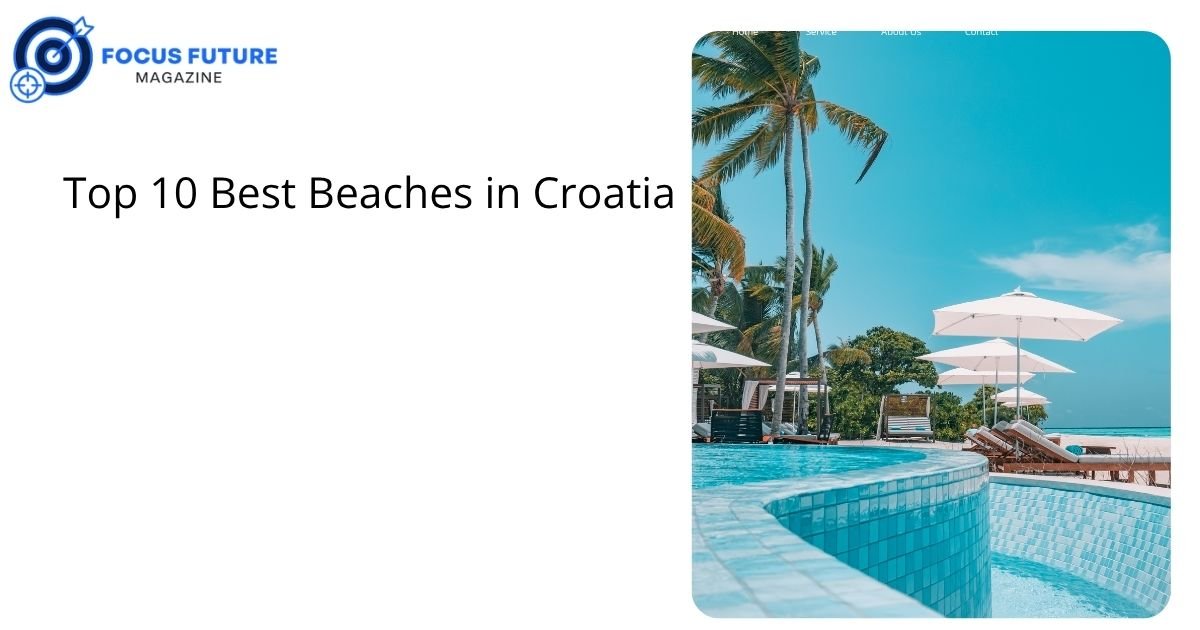
Croatia has hundreds of beaches, but a handful stand out for good reason. Here are ten worth building a trip around:
- Zlatni Rat (Brač) – A famous pebble beach known for its unusual shifting shape.
- Stiniva (Vis) – A dramatic cove reachable mainly by boat or a steep hike.
- Punta Rata (Brela) – A postcard-perfect beach on the Makarska Riviera.
- Sakarun (Dugi Otok) – One of the few genuinely sandy beaches, with shallow water.
- Nin (Queen’s Beach) – Sandy, shallow, and great for kids.
- Bačvice (Split) – A sandy city beach right near the center of Split.
- Zrće (Pag) – Known for beach clubs and nightlife.
- Pasjača (Dubrovnik) – A quiet, cliff-backed cove.
- Banje (Dubrovnik) – Close to the Old Town, with a view of the city walls.
- Rab Paradise Beach – Sandy and shallow, popular with families.
Each of these beaches has a different personality, so pick based on what matters most to you — sand, quiet, nightlife, or easy access.
Best Beaches for Families
The best family beaches in Croatia have shallow entry, sand or fine pebbles, and nearby facilities. Nin, Sakarun, Rab’s Paradise Beach, Bačvice, and Punta Rata all check these boxes.
These beaches share a few traits that make them easier with kids: gentle slopes into the water, softer ground underfoot, and things like toilets, showers, or food stalls close by.
Parking and crowd levels matter too. Popular family beaches fill up fast in July and August, so arriving early — around 8 or 9 AM — makes a real difference. Late afternoon, after 4 PM, is another good window.
If your kids are sensitive to rocky ground, water shoes are worth packing regardless of which beach you choose.
Hidden and Boat-Only Beaches
Croatia’s hidden and boat-only beaches reward the extra effort with fewer crowds and dramatic scenery. Stiniva on Vis is the most famous example — boats can’t actually enter the cove, so you swim in from the anchorage.
Many of these secluded spots sit along the islands, tucked behind cliffs or reachable only by hiking trails. They tend to have zero facilities, so bring water, food, and shade with you.
If you don’t have your own boat, day-trip excursions from towns like Split, Hvar, or Dubrovnik often include stops at several hidden coves in one outing. This is usually the easiest way to see multiple secluded beaches without renting a boat yourself.
Locals often recommend simply asking around rather than following the most popular lists — a quiet cove a local swims at is usually less crowded than the ones ranked highest online.
Sandy vs. Pebble Beaches in Croatia
Most Croatian beaches are pebble or rock, not sand. Over 90% of the coastline falls into this category, which surprises a lot of first-time visitors.
Here’s a quick comparison:
| Feature | Pebble Beaches | Sandy Beaches |
| Water clarity | Very clear | Slightly murkier |
| Comfort walking | Needs water shoes | Comfortable barefoot |
| Best for | Snorkeling, older kids, adults | Toddlers, sensitive feet |
| Common locations | Most of the coast, islands | Nin, Sakarun, Rab |
Water shoes are genuinely useful here — not just for comfort on the rocks, but also for protection from sea urchins, which live in shallow rocky areas.
If a truly sandy beach is a priority, plan around Nin, Sakarun, or Rab specifically. Otherwise, be ready for pebbles almost everywhere else.
Beach Facilities and Accessibility
Facilities at Croatian beaches vary a lot depending on whether it’s an organized beach or a wild one. Organized beaches usually have toilets, showers, sunbeds, and food nearby; wild beaches often have none of this.
Wheelchair accessibility is limited but does exist at a few locations, including Kostanj in Rijeka, Znjan in Split, Copacabana in Dubrovnik, and Valkane in Pula. These beaches typically offer ramps or adapted access points, though options remain far more limited than at standard beaches.
Beach clubs — like those at Zrće on Pag or Banje in Dubrovnik — offer a different experience entirely, with music, food service, and paid loungers. These work well if you want convenience over solitude.
For a mid-range option, wild beaches with nearby parking and a short walk to a café tend to offer a good balance of privacy and basic comfort.
Water Quality and Safety
Croatia’s bathing water quality remains strong overall, though 2026 data shows a notable drop in rankings. Croatia fell from 5th to 12th place in EU bathing water quality, with 86.2% of 1,039 monitored sites rated “excellent” — down from over 95% in prior years.
Regional testing still shows mostly positive results. In Dubrovnik-Neretva County, testing between June 30 and July 9, 2026 found 126 of 127 beaches rated “excellent,” with only Bilin Žal on Korčula rated “satisfactory.”
There was one notable closure in 2026: Centinera Beach in Medulin, Istria, closed for four days in July after a sewage pipe burst. It reopened once testing confirmed the water was safe again.
On safety in the water itself, sea urchins are the main hazard on rocky beaches. If you step on one, soak the area in warm water or vinegar to help dissolve the spines — don’t try to pull them out. Jellyfish appear occasionally, mostly moon jellyfish, which are harmless, though mauve stingers can show up in late summer and cause a more painful sting.
Parking and Costs at Croatia Beaches
Parking at popular Croatian beaches has gotten more expensive in 2026. Hourly rates in busy areas like Split’s Riva can reach up to €3 per hour, and daily guarded parking runs €15 to €30.
Beaches themselves are almost always free to enter. The costs come from sunbeds, umbrellas, and parking — not the beach itself. Budgeting a bit extra for parking, especially during peak season, will save you stress later.
A few practical tips:
- Bring cash, since many small kiosks and sunbed rentals don’t accept cards.
- Check for parking apps or pre-booking options where available.
- Arrive early to avoid paying premium rates at full lots later in the day.
Beach Etiquette in Croatia
Croatian beach etiquette includes a few rules that catch visitors off guard. Walking around town in just swimwear, without a shirt, can result in fines up to €500 in some coastal towns.
Other common expectations: don’t grill food on the beach (it’s a wildfire risk and often illegal), swim only in designated areas to avoid boat traffic, and take all your trash with you when you leave.
Loud music and crowding too close to other beachgoers are also generally frowned upon. Croatians tend to value a bit of personal space on the beach, so leave some distance between your towel and the next group when possible.
Respecting the natural environment matters too — avoid moving rocks or disturbing marine life, especially around protected areas like Kornati National Park or Telašćica Nature Park.
Frequently Asked Questions
Are Croatian beaches free? Yes. Almost all beaches in Croatia are public and free to access. You only pay for extras like sunbeds, umbrellas, or entry to a private beach club.
Do I need water shoes? Yes, they’re strongly recommended. Most beaches are pebble or rock, and water shoes also protect against sea urchins in shallow areas.
When is the sea warmest? August is the warmest month, with sea temperatures around 25–27°C in the south. June and September offer a good balance of warm water and smaller crowds.
Are there sandy beaches in Croatia? Yes, but they’re limited. Nin, Sakarun on Dugi Otok, and parts of Rab island are the best-known sandy options.
How crowded are beaches in August? Very crowded, especially at well-known spots like Zlatni Rat or Bačvice. Arriving early in the morning or visiting during shoulder months helps avoid the biggest crowds.
Conclusion
Croatian beaches offer something for almost every kind of traveler, from sandy family-friendly bays to remote boat-only coves. Most are pebble rather than sand, so packing water shoes makes a real difference in comfort. Visiting in June or September gives you warm water without the peak-season crowds and parking headaches. With water quality still strong across most of the coast in 2026, and a wide range of beaches to choose from, a little planning goes a long way toward a great trip.
FAQs
Q: Are Croatian beaches sandy or pebbly? A: Over 90% are pebble or rock. True sandy beaches are rare and mostly found in the north, such as Nin, Sakarun, and Rab.
Q: Do I need water shoes for Croatia beaches? A: Yes. Water shoes are essential for comfort on pebbles and for protection from sea urchins.
Q: Are Croatian beaches free? A: Yes, almost all beaches are public and free. You only pay for sunbeds, umbrellas, or private beach club entry.
Q: When is the best time to visit Croatia beaches? A: June and September offer warm sea temperatures, fewer crowds, and lower prices. July and August are hottest but most crowded.
Q: Which beaches in Croatia are best for families? A: Nin (Queen’s Beach), Sakarun (Dugi Otok), Rab’s Paradise Beach, Bačvice (Split), and Punta Rata (Brela) are popular family picks.
Q: Are there jellyfish in Croatia? A: Yes, but encounters are rare. Moon jellyfish are harmless, while mauve stingers occasionally appear in late summer and sting more painfully.
Q: How do I get to Stiniva Beach on Vis? A: By boat, which is the easier option, or via a steep 20-minute hike. Boats can’t enter the cove itself, so you swim in from the anchorage.
Q: Are there wheelchair accessible beaches in Croatia? A: Yes, though options are limited. Kostanj (Rijeka), Znjan (Split), Copacabana (Dubrovnik), and Valkane (Pula) are known accessible options.
Q: What is the water quality like in Croatia in 2026? A: Overall still strong, though Croatia dropped from 5th to 12th in EU bathing water rankings, with 86.2% of sites rated “excellent” in 2025 data.
Q: What should I pack for a Croatia beach holiday? A: Water shoes, sunscreen, a towel, a beach umbrella for shade, cash for small vendors, and a waterproof phone case.