
best non alcoholic drinks
The best non-alcoholic drinks depend on why you’re skipping alcohol in the first place. If you want everyday refreshment, sparkling water and herbal tea work well. If you’re hosting a party, a mix of alcohol-free beer, wine, and a homemade mocktail covers every guest. And if you want something that feels special, zero-proof spirits and botanical aperitifs deliver real complexity without the buzz.
This guide breaks down every category, so you can pick the right drink for the right moment.
What Makes a Great Non-Alcoholic Drink?
A great non-alcoholic drink balances flavor, purpose, and honesty about what’s actually in the glass. It’s not just soda in a fancy cup — it should taste intentional, whether that means bitter, botanical, fruity, or crisp.
The best options also match the occasion. A drink for a wedding toast should feel celebratory, while a drink for a quiet evening should be caffeine-free and calming. Ingredients matter too: sugar, caffeine, and functional additives like adaptogens or probiotics all change how a drink fits into your day.
Finally, a good non-alcoholic drink is clear about its alcohol content. “Non-alcoholic” is not always the same as “0.0% ABV,” so the best choices are upfront about what’s on the label.
Best Non-Alcoholic Drinks at a Glance
| Category | Examples | Best For |
| Everyday hydration | Sparkling water, herbal tea, infused water | Daily refreshment |
| Alcohol alternatives | Alcohol-free beer, wine, zero-proof spirits | Social rituals |
| Mocktails | Virgin mojito, spritz, punch, cooler | Parties and hosting |
| Functional drinks | Adaptogenic tonics, probiotic sodas | Wellness-focused sipping |
| Classic sodas | Ginger beer, tonic water, club soda | Mixers and simple sipping |
Non-alcoholic drinks range from plain water to sophisticated zero-proof cocktails. The category has grown well beyond soda and juice, now including botanical, fermented, and ritual-style drinks built to replace alcohol at social events.
Choose by Flavor: Which Drink Fits Your Taste?
If you know what flavor you like, picking a drink gets much easier. Match your preference to a category instead of scrolling endless lists.
- Crisp and clean: sparkling water, tonic water, hop water
- Bitter and botanical: alcohol-free aperitifs, botanical spirits
- Fruity and bright: punch, agua fresca, fruit-based mocktails
- Beer-like: non-alcoholic beer, near beer
- Wine-like: dealcoholized wine, alcohol-free wine
- Warm or cozy: herbal tea, spiced cider
Everyday refreshing drinks like sparkling water and unsweetened iced tea are simple, low-cost, and easy to find. Sophisticated alcohol alternatives, like botanical aperitifs and zero-proof spirits, cost more but are built to replace a cocktail ritual, not just quench thirst.
What Is the Difference Between 0.0% and Non-Alcoholic?
“Non-alcoholic” does not always mean zero alcohol. Depending on the country and product category, some drinks labeled non-alcoholic or alcohol-free can still contain trace amounts of alcohol.
This matters most for people who need to avoid alcohol completely — during pregnancy, in recovery, while on certain medications, for liver health, or for religious reasons. The safest approach is to check the label for the exact ABV (alcohol by volume) rather than trusting the word “non-alcoholic” alone. Only a product marked 0.0% ABV guarantees no alcohol content.
Best Non-Alcoholic Beers
Alcohol-free beer is the largest and most popular category in this space. In U.S. off-premise retail sales data, non-alcoholic beer made up 83% of the non-alcoholic alcohol-alternative market, far ahead of wine (11.2%) and spirits or RTD mocktails (5.7%).
This popularity comes down to familiarity. Many drinkers already know the taste of beer, so an alcohol-free version feels like a natural substitute at dinner, during sports, or at a backyard barbecue. When choosing one, check both the ABV label and the calorie count, since these vary widely between brands.
Best Alcohol-Free Wines
Alcohol-free wine, often called dealcoholized wine, is made by removing alcohol from real wine rather than blending flavors from scratch. This process affects body and mouthfeel, so quality varies a lot between brands.
For celebrations, alcohol-free sparkling wine is a popular substitute for champagne — it keeps the ritual of a toast without the alcohol. Always double-check the label before serving to guests who need a guaranteed 0.0% option.
Best Zero-Proof Spirits
Zero-proof spirits are botanical blends designed to mimic gin, whiskey, or other spirits without alcohol. Brands in this space, like Seedlip and Lyre’s, use herbs, spices, and distillation-inspired techniques to build complex flavor.
These work best in cocktail-style drinks where you want real depth — think a gin-style zero-proof spirit with tonic and citrus, or a whiskey-style alternative over ice. They tend to cost more per bottle but pour like the real thing, so a little goes a long way.
Best Ready-to-Drink Mocktails
Canned mocktails are the convenience option. Brands like Curious Elixirs offer pre-mixed, alcohol-free cocktails that are ready to drink straight from the can — no shaking, no garnish, no mixing required.
These are worth buying when you want cocktail flavor without the prep work, especially for parties where you’re serving a crowd. They’re pricier per serving than homemade mocktails, but the convenience often makes up for it.
Best Low-Sugar Choices
The lowest-sugar options are the simplest ones: water, sparkling water, and unsweetened tea. These have little to no added sugar and work as an everyday base for flavor.
For homemade mocktails, you control the sugar by using less syrup or juice and leaning on citrus, herbs, spices, and carbonation instead. Many store-bought mocktails and mixers are surprisingly high in added sugar, so it’s worth checking the nutrition label even on drinks marketed as “healthy.”
Best Caffeine-Free Choices
For an evening or wind-down drink, caffeine-free options matter as much as alcohol-free ones. Herbal teas, like chamomile, are a common pick for a relaxing evening ritual.
Many functional drinks and colas contain caffeine even though they’re alcohol-free, so read the label if you’re avoiding caffeine at night. Sparkling water with fruit or herbs is another reliable caffeine-free option that still feels festive.
Best Drinks for Parties
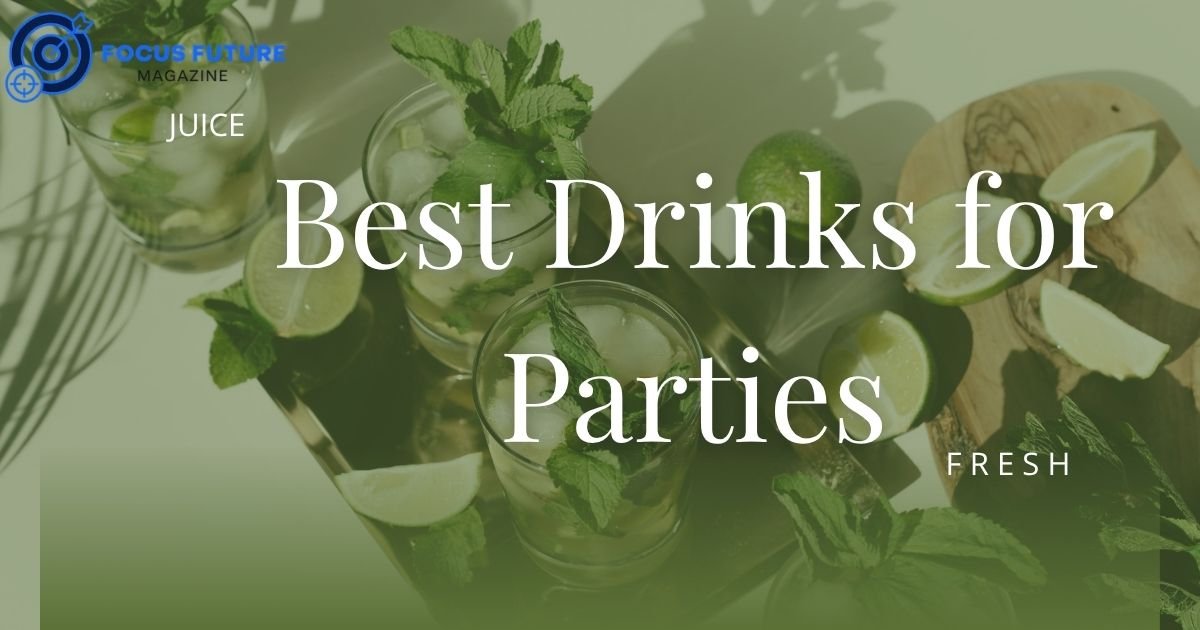
A good party menu offers variety, not just one drink for everyone. Aim for at least three styles: a simple sparkling option, a familiar alcohol substitute like 0.0% beer or wine, and a festive batch mocktail or punch.
What should you serve non-drinkers at a party?
- A plain sparkling water station with citrus and herb garnishes
- One canned or ready-made mocktail for convenience
- One labeled batch mocktail, clearly marked for its ABV
- Ice, fresh citrus, and herbs available for self-serve mixing
Popular party mocktails include berry lemonade, tropical punch, virgin mojitos, cucumber-mint coolers, and Shirley Temples. Always include a non-sweet option, like a bitter botanical spritz, so the menu doesn’t become juice-heavy.
Best Summer Drinks
Summer drinks lean on fresh, seasonal ingredients: citrus, berries, herbs, and plenty of sparkling water. Cold brew and iced tea are also popular warm-weather picks.
Serving temperature and ice matter a lot here — a warm mocktail feels flat, so keep glasses chilled and pour over fresh ice right before serving.
Easy Homemade Mocktails
Homemade mocktails follow one simple formula: sweet + acid + dilution + aroma + texture. Getting this balance right is what separates a good mocktail from sweet juice in a glass.
How do you make a mocktail taste less sweet?
- Cut the syrup or juice in half and add more citrus
- Add bitters labeled alcohol-free for depth
- Use soda water instead of a sweet mixer
- Add fresh herbs like mint or basil for aroma without sugar
Avoid over-muddling citrus or using too much pith, since this can make a drink bitter in an unpleasant way. Choosing in-season fruit also means you need less syrup to get good flavor.
How to Read Labels
Before buying any non-alcoholic drink, check five things: ABV, added sugar, caffeine, allergens, and any functional ingredients like adaptogens or probiotics.
This is especially important for functional beverages, which may contain kava, CBD, or concentrated botanicals. These ingredients aren’t automatically safe for everyone and can interact with medications, so they shouldn’t be treated the same as a plain soda or tea.
Functional Drinks: What to Know
Functional drinks add ingredients like probiotics, adaptogens, or electrolytes on top of the usual soda or juice base. They’re a growing trend, but the science behind their wellness claims varies by ingredient.
Are functional drinks safe? For most healthy adults, yes, in moderate amounts — but they shouldn’t be marketed or treated as treatments for anxiety, sleep problems, or alcohol dependence. If you’re pregnant, on medication, or managing a health condition, it’s worth checking ingredients like kava or CBD with a doctor first.
How to Choose the Right Drink
Use this simple framework instead of picking randomly:
- Decide your reason: hydration, celebration, or an alcohol substitute
- Check the label: confirm ABV, sugar, and caffeine
- Match the flavor: crisp, bitter, fruity, beer-like, or wine-like
- Pick buy or make: convenience vs. cost control
- Consider the occasion: everyday, party, or special event
This approach works whether you’re shopping for one drink or planning a whole event menu.
FAQs
What are the best non alcoholic drinks overall? There’s no single winner — it depends on the moment. Sparkling water or herbal tea works for everyday hydration, homemade citrus mocktails are great value, alcohol-free beer or wine suits familiar social settings, and zero-proof spirits or aperitifs offer more cocktail-style complexity.
Are non-alcoholic drinks healthy? Not automatically. They avoid ethanol, which is a plus, but “non-alcoholic” doesn’t mean low-sugar, low-calorie, or caffeine-free. Always check the nutrition label.
Are non-alcoholic drinks completely alcohol-free? Not always. Some products labeled non-alcoholic can contain trace alcohol depending on local rules. Look for 0.0% ABV on the label if you need a guaranteed alcohol-free option.
What are the best low-sugar choices? Water, sparkling water, unsweetened tea, and homemade mocktails made with less syrup and more citrus, herbs, and carbonation.
What should I serve at a party? Offer at least three styles: a simple sparkling drink, a familiar alcohol substitute like 0.0% beer or wine, and a festive batch mocktail or punch.
Are functional beverages a safe replacement for alcohol? For most healthy adults, yes, in moderation. But ingredients like caffeine, kava, or CBD require caution, and these drinks shouldn’t be treated as medical treatments.
Can you drink non-alcoholic beer during pregnancy? Only if it’s labeled 0.0% ABV, since some “non-alcoholic” beers can contain trace alcohol. Always check the label and talk to a doctor if unsure.
What can you drink instead of alcohol to relax? Caffeine-free herbal teas, like chamomile, are a common choice for a calming evening drink without added stimulants.