
Quick Answer: Inbound marketing software helps you attract strangers with content and SEO, capture them with forms and landing pages, and nurture them with email automation and a CRM until they’re ready to buy. For all-in-one B2B scale, pick HubSpot. For large lists on a budget, pick Brevo. For advanced behavior-based automation, pick ActiveCampaign. For creators and newsletter funnels, pick Kit. The rest of this guide covers 15 tools, their real 2026 prices, and the catches that don’t show up on pricing pages.
Top 15 Inbound Marketing Software: Comparison Table
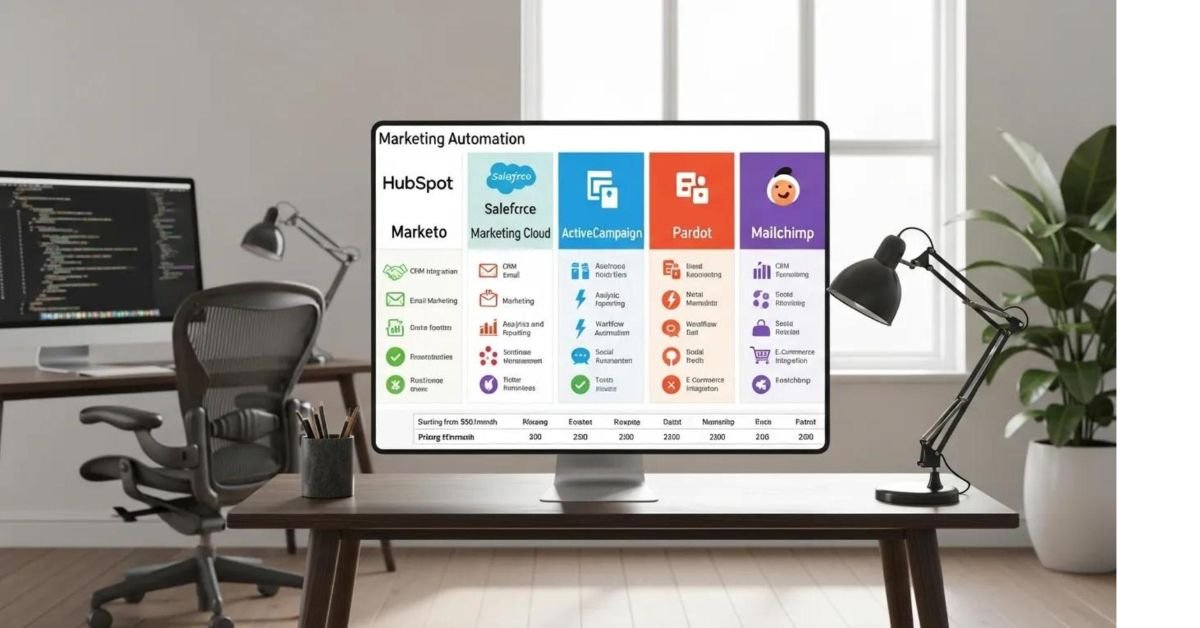
| Software | Starting Price (2026) | Best For | Free Trial / Plan | Key Pros & Cons |
|---|---|---|---|---|
| HubSpot Marketing Hub | $7/seat/mo (annual) or $20/mo; Pro $800/mo | All-in-one B2B inbound | Free tools (2 users, 2,000 sends/mo) | Pro: Complete suite. Con: $3,000 onboarding on Pro |
| ActiveCampaign | ~$15–$19/mo | Behavioral email automation | 14-day trial | Pro: Deep automation. Con: Costs climb with contacts |
| Brevo | ~$9–$18/mo | Budget suite, big lists | Free (300 emails/day) | Pro: Billed by email volume. Con: Less depth than HubSpot |
| Kit (ConvertKit) | ~$25–$29/mo | Creators, newsletters | Free up to 10,000 subscribers | Pro: Simple, creator-first. Con: Basic free features |
| Mailchimp | ~$13–$20/mo | Simple email and landing pages | Free tier (limited sends) | Pro: Easy to start. Con: Charges for unsubscribed/duplicate contacts |
| GetResponse | ~$15.60–$19/mo | Webinar-driven funnels | Free tier (500 contacts) | Pro: Webinars built in. Con: Webinars need higher tiers |
| Zoho Marketing Plus / CRM | ~$25/mo | Existing Zoho users | Check Zoho for current trial | Pro: Unified suite. Con: Best only inside Zoho |
| Semrush | $139.95/mo | SEO-led traffic | 7-day trial | Pro: Strong research. Con: No email nurturing |
| Ahrefs | $129/mo ($29 Starter, limited credits) | Backlinks, topic discovery | Check Ahrefs for current offer | Pro: Competitor insight. Con: Credit limits on cheap plan |
| Omnisend | ~$16/mo | E-commerce email + SMS | Free (250 contacts, 500 emails/mo) | Pro: Shopify/WooCommerce fit. Con: Store-focused |
| Klaviyo | ~$20/mo (email) | Scaling e-commerce brands | Free up to 250 active profiles | Pro: Data-heavy segmentation. Con: Scales fast with profiles |
| Salesforce Account Engagement (Pardot) | ~$1,250/mo | Enterprise B2B alignment | No free trial | Pro: Sales-marketing fit. Con: Expensive |
| Adobe Marketo Engage | Custom (typically $1,500+/mo) | Lead scoring, attribution | Custom pricing | Pro: Complex scoring. Con: Enterprise cost and setup |
| Keap | ~$249–$299/mo | Service small businesses | 14-day trial | Pro: CRM + invoicing + follow-ups. Con: Pricey for small teams |
| Unbounce | ~$74–$99/mo | Landing pages | 14-day trial | Pro: AI traffic optimization. Con: Does one job only |
What Top Review Sites Miss: 3 Hidden Pricing Traps in 2026
Most roundups list the headline price and stop there. These three traps are where budgets actually break.
1. HubSpot’s $7-to-$800 Cliff and the $3,000 Onboarding Fee
HubSpot Starter looks cheap at $7 per seat per month on annual billing, or $20 a month. Professional is a different product at $800 a month (annual, three seats) or $890 month-to-month.
Professional also carries a mandatory $3,000 one-time onboarding fee. Enterprise is $3,600 a month with a $7,000 onboarding fee. Your Marketing Contacts tier adds cost as your list grows. See HubSpot’s official Marketing Hub pricing breakdown before you budget.
2. Contact-Based vs. Email-Volume Billing
ActiveCampaign and Mailchimp bill mainly by contacts. Brevo bills by emails sent. At 50,000 contacts, ActiveCampaign runs about $609 a month. Sending 50,000 emails on Brevo costs about $56 a month.
Mailchimp adds its own wrinkle. If you keep the same person in separate audiences, or keep unsubscribed contacts, you can pay for them. Clean your lists first.
3. Paying for All-in-One Bloat
Many teams use a fraction of a big suite. A two-tool stack, such as Semrush for attracting traffic and Brevo for capture and nurture, can cost 70% or more less than HubSpot Professional. You give up a single dashboard, but you stop paying for features you never open.
In-Depth Reviews of the Top 15 Inbound Marketing Software Tools
1. HubSpot Marketing Hub
Best for: B2B teams that want content, forms, email, and CRM in one system.
Real 2026 pricing and catch: Free tools cover up to 2 users and 2,000 email sends a month, with HubSpot branding. Starter is $7/seat/mo (annual) or $20/mo. Professional is $800/mo (annual, 3 seats) or $890/mo. The catch is the $3,000 onboarding fee on Professional and rising costs as contacts grow.
Pros: Everything in one place. Free entry point. Strong for scaling B2B.
Cons: Steep jump between tiers. Onboarding fees.
2. ActiveCampaign
Best for: Teams that want deep behavioral email automation.
Real 2026 pricing and catch: There’s a 14-day free trial. Starter runs about $15–$19/mo and scales steeply with contacts. 50,000 contacts costs around $609/mo. Full CRM features cost extra, and the visual workflow builder takes time to learn.
Pros: Powerful automation based on what contacts do.
Cons: Contact-based pricing. Learning curve.
3. Brevo (formerly Sendinblue)
Best for: Budget-conscious teams with big contact lists.
Real 2026 pricing and catch: The free plan allows 300 emails a day with unlimited contacts. Paid plans start around $9–$18/mo. The advantage is billing by email volume, not contacts, and it includes CRM, SMS, and WhatsApp.
Pros: Low cost at scale. Multi-channel.
Cons: Less depth than HubSpot for complex B2B.
4. Kit (formerly ConvertKit)
Best for: Creators, bloggers, and newsletter-led funnels.
Real 2026 pricing and catch: Free up to 10,000 subscribers with basic features. Paid plans start around $25–$29/mo.
Pros: Generous free tier. Built around audience growth.
Cons: Basic features on free. Not a B2B sales tool.
5. Mailchimp
Best for: Simple starter email and landing pages.
Real 2026 pricing and catch: There’s a free tier with limited sends. Essentials starts at $13–$20/mo. You can be charged for unsubscribed or duplicate contacts across separate audiences if you don’t clean up.
Pros: Easy to learn.
Cons: Audience-based billing quirks.
6. GetResponse
Best for: Webinar-driven inbound funnels.
Real 2026 pricing and catch: Free for up to 500 contacts. Paid starts around $15.60–$19/mo. Webinars and advanced automation require higher tiers.
Pros: Webinars and email in one tool.
Cons: The features you want sit on pricier plans.
7. Zoho Marketing Plus / Zoho CRM
Best for: Teams already using Zoho.
Real 2026 pricing and catch: Starts around $25/mo for unified social, email, surveys, and analytics.
Pros: Good value as a connected suite.
Cons: Less appealing if you’re not in the Zoho ecosystem.
8. Semrush
Best for: SEO-first traffic generation.
Real 2026 pricing and catch: Starts at $139.95/mo with a 7-day free trial. It covers keyword research, content audits, and rank tracking. It handles the attract stage only, not email nurturing.
Pros: Strong research and tracking.
Cons: You still need an email and CRM tool.
9. Ahrefs
Best for: Competitor backlink research and topic discovery.
Real 2026 pricing and catch: Starts at $129/mo. The Starter plan is $29/mo but has strict credit limits.
Pros: Great for finding what competitors rank for.
Cons: Credit limits on the cheapest plan. Attract stage only.
10. Omnisend
Best for: E-commerce stores on Shopify or WooCommerce.
Real 2026 pricing and catch: Free plan covers 250 contacts and 500 emails a month. Paid starts at $16/mo.
Pros: Email and SMS automation built for stores.
Cons: Not designed for B2B lead nurturing.
11. Klaviyo
Best for: Data-heavy marketing for scaling e-commerce brands.
Real 2026 pricing and catch: Free up to 250 active profiles. Paid starts at $20/mo for email and scales fast as active profiles grow.
Pros: Strong segmentation from store data.
Cons: Costs rise quickly with list growth.
12. Salesforce Marketing Cloud Account Engagement (Pardot)
Best for: Enterprise B2B sales-marketing alignment.
Real 2026 pricing and catch: Starts at $1,250/mo. No free trial.
Pros: Tight fit with Salesforce sales teams.
Cons: High entry cost. No trial.
13. Adobe Marketo Engage
Best for: Complex enterprise lead scoring and multi-touch attribution.
Real 2026 pricing and catch: Custom enterprise pricing, typically $1,500+/mo.
Pros: Advanced scoring and attribution.
Cons: Enterprise price and complexity.
14. Keap (formerly Infusionsoft)
Best for: Service businesses that need CRM, invoicing, and follow-ups together.
Real 2026 pricing and catch: Starts around $249–$299/mo with a 14-day free trial.
Pros: Handles sales follow-up and billing in one place.
Cons: Expensive for very small teams.
15. Unbounce
Best for: A dedicated inbound landing page builder.
Real 2026 pricing and catch: Starts around $74–$99/mo with a 14-day free trial. It includes AI traffic optimization.
Pros: Focused on landing page conversion.
Cons: Only covers one part of the funnel.
How to Choose the Right Inbound Stack Without Overpaying
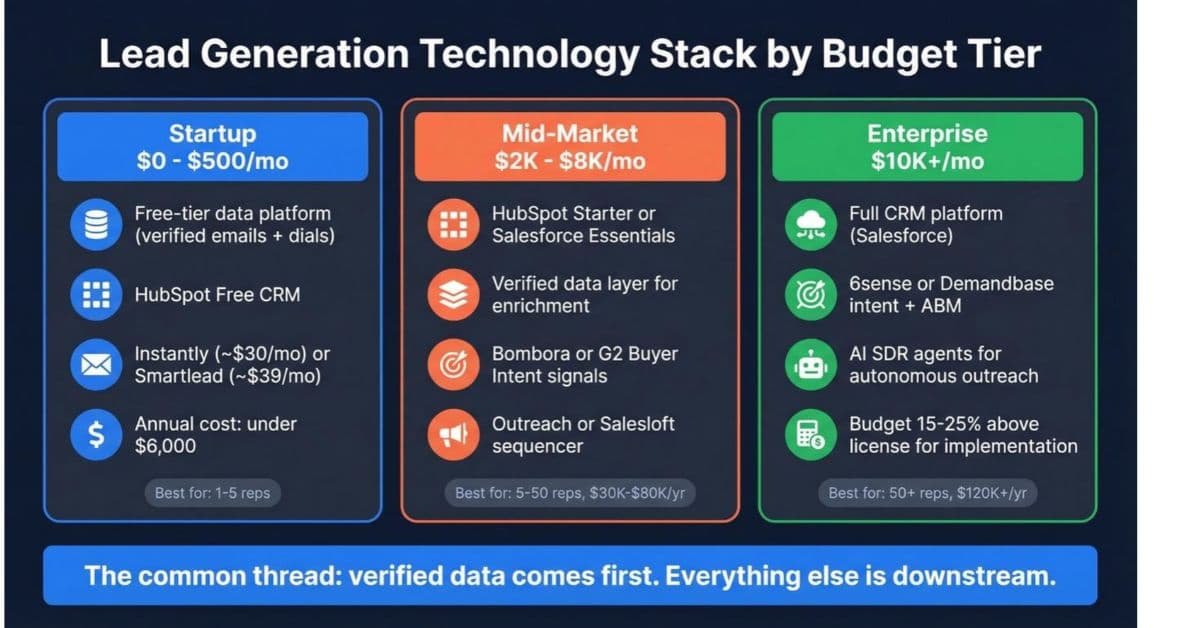
Solo Creator: Start with Kit’s free plan. Add Semrush or Ahrefs only when you have content to optimize.
Small Business: Brevo, Mailchimp, or Keap if you need invoicing. For more options, see our guide to online marketing platforms for small businesses.
Scaling B2B: HubSpot Starter or Professional if you can afford the onboarding fee, or ActiveCampaign for automation depth. Before you commit, read our marketing automation implementation guide to plan setup.
E-commerce: Omnisend for smaller stores, Klaviyo as data and volume grow.
Enterprise: Pardot if you live in Salesforce, Marketo for complex scoring.
Frequently Asked Questions (FAQs)
What is inbound marketing software?
It’s a set of tools that attract visitors with content and SEO, capture leads through forms and landing pages, and nurture them with email automation and a CRM.
What’s the best inbound marketing software for small businesses?
Brevo suits budget-conscious teams, and Keap suits service businesses that need CRM and invoicing together.
Is HubSpot worth the price?
For scaling B2B teams that use the full suite, often yes. Budget for the $3,000 Professional onboarding fee and growing contact tiers.
Is there free inbound marketing software?
Yes. HubSpot, Brevo, Kit, Mailchimp, GetResponse, Omnisend, and Klaviyo all offer free plans or tiers with limits.
Can I build a cheaper stack than an all-in-one?
Yes. Pairing Semrush with Brevo can cost far less than HubSpot Professional, though you manage two tools.