
If you’re wondering about whitening strips brush teeth before or after, here’s the short version: avoid brushing right before you apply the strips, since it can irritate your gums and loosen the strip’s grip. Brush earlier in your routine, let some time pass, then apply the strips. Gentle brushing afterward is usually fine if your product’s label allows it.
Still, the exact timing depends on the brand you’re using. Let’s break down why, and how to build a routine that actually works.
The Short Answer
Don’t brush your teeth in the few minutes right before applying whitening strips. That timing is the one most likely to cause gum irritation and make the strip slide around.
Instead, brush earlier — ideally with some gap before application — then apply the strips as directed. Once you remove them, gentle brushing is generally okay, but only if the manufacturer says so. Crest, for example, allows gentle brushing right after using Whitestrips, while still warning against brushing immediately before you put them on.
The safest rule of all: your product’s package instructions beat any generic “wait 30 minutes” advice you find online.
Why Brushing Timing Matters
Brushing timing matters because it affects your gums, your sensitivity, and how well the strip sticks to your teeth. Whitening strips are thin films coated in a peroxide gel, and that gel needs to sit still against your enamel to work.
Toothbrushing right before application can leave your gum tissue slightly more sensitive, which the peroxide gel can then irritate further. It can also change the surface moisture on your teeth, making the strip less likely to stay put.
On the flip side, brushing beforehand isn’t a bad idea — it removes plaque and food debris that could interfere with even whitening. The problem isn’t brushing itself; it’s brushing too close to the moment you apply the strip.
Brush Before Whitening Strips?
Yes, you can brush before whitening strips, but timing is what matters most, not whether you brush at all.
Avoid Brushing Immediately Before
Skip brushing in the minutes right before you apply the strips. This is the specific window most likely to cause gum irritation and reduce how well the strip adheres to your teeth.
How Long to Wait After Brushing
Many dental sources suggest waiting around 30 minutes after brushing before applying strips, especially if you’re prone to sensitivity. This isn’t a strict clinical rule — it’s a common, practical precaution. If your product’s label gives a different timeframe, follow that instead.
Brush After Whitening Strips?
It depends on the product, but gentle brushing after removing whitening strips is often allowed.
When Gentle Brushing Is Acceptable
Crest’s current guidance specifically permits gentle brushing immediately after using Whitestrips. If your brand says the same, a soft-bristled brush and light pressure are the way to go — don’t scrub harder just because you just whitened.
When Rinsing May Be Enough
If your instructions don’t mention brushing afterward, rinsing with water is often enough to clear away loose gel. You can also gently wipe residue away, or simply let it dissolve on its own — all of these are acceptable depending on the brand.
A Safe Whitening-Strip Routine
The safest approach follows a simple order: brush earlier, wait, apply, then clean up gently.
Prepare Your Teeth
Brush and floss earlier in your routine to clear away plaque and debris. Give your gums a little time to settle — this is where the “wait before applying” advice comes in.
Apply the Strips Correctly
Make sure your teeth are reasonably dry, then apply the strip according to the package directions. Avoid pressing too hard against the gumline, since overlapping gel there is a common cause of irritation.
Remove and Clean Up
After removal, rinse, wipe, or gently brush depending on what your product allows. Crest notes that leftover gel can be rinsed away, wiped off, brushed off, or simply left to dissolve on its own.
Does the Rule Vary by Brand?
Yes — there’s no single universal brushing rule that applies to every whitening strip on the market.
Crest Whitestrips Guidance
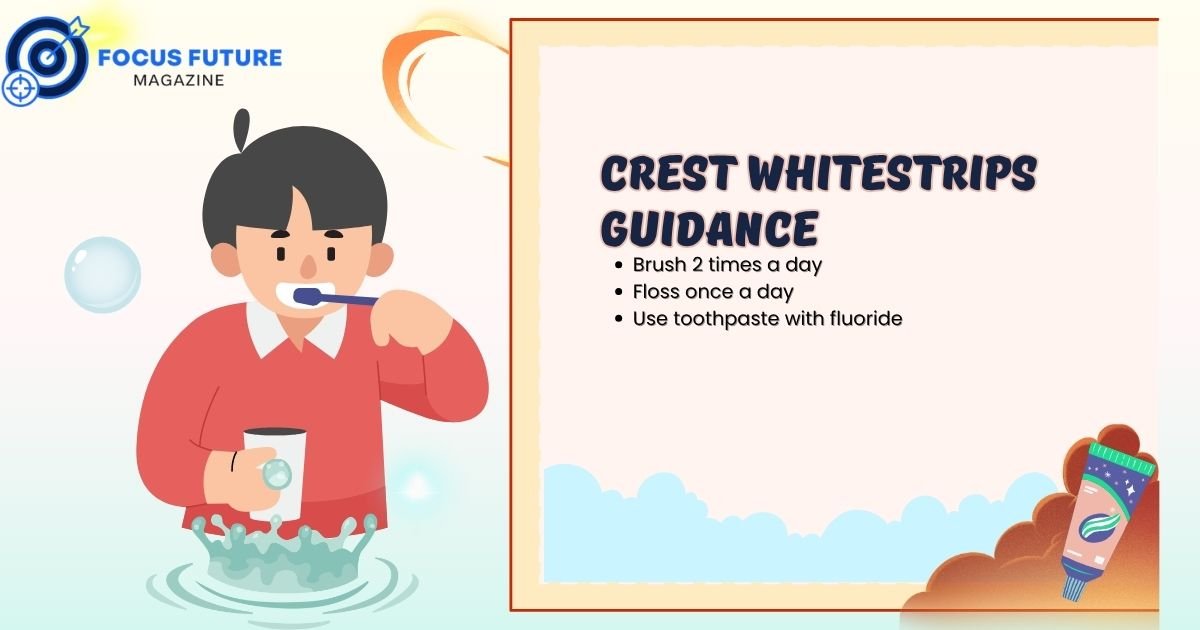
Crest’s current guidance draws a clear line: don’t brush immediately before applying strips, but gentle brushing right after is fine. This distinction — before versus after — is the detail a lot of generic advice online misses.
Why Product Instructions Come First
Other brands may have different timing suggestions based on their formula and adhesive. Always treat the label on your specific product as the final word, ahead of any general rule you’ve read.
How to Reduce Sensitivity
Temporary sensitivity is common with whitening strips, but a few habits can make it more manageable.
Use a Soft Toothbrush
A soft-bristled brush with light pressure protects your enamel and gums, especially while they’re adjusting to peroxide exposure.
Adjust Treatment Frequency
If sensitivity builds up, consider spacing out your whitening sessions rather than using strips daily. The American Dental Association notes that sensitivity and gum inflammation are the most common side effects of whitening, and a Cochrane review of home whitening products found these effects tend to be mild and temporary, though more common with stronger formulas.
Try Sensitive-Tooth Products
A toothpaste made for sensitive teeth, often containing potassium nitrate or fluoride, can help calm discomfort between whitening sessions.
What If Your Gums Turn White?
Temporary white patches on your gums after whitening strips are usually caused by peroxide contact and typically fade on their own.
Mild sensitivity or brief gum paleness is common and not usually a concern. But persistent pain, burning, swelling, or discoloration in a single tooth is different — those symptoms are worth a call to your dentist rather than waiting it out.
Do Whitening Strips Whiten Fillings?
No, whitening strips only lighten your natural tooth structure — they don’t change the color of fillings, crowns, veneers, or implants.
This is one of the most overlooked facts in whitening routines. If you have visible restorations, whitening your natural teeth around them can eventually create a noticeable color mismatch, which is worth discussing with your dentist beforehand.
When Should You Ask a Dentist?
You should check with a dentist before whitening if you have untreated cavities, gum disease, cracked teeth, or if you’re pregnant or breastfeeding.
The NHS advises against teeth whitening during pregnancy or breastfeeding, and professional supervision is generally recommended for anyone with existing dental issues. Stop using strips and seek dental advice if you experience significant pain, burning, or gum irritation that doesn’t settle down.
Comparison Tables
Brushing timing at a glance
| Situation | Recommended guidance |
| Brushing immediately before strips | Generally avoid — may irritate gums and reduce adhesion |
| Brushing earlier before strips | Fine — leave some time before applying, follow the label |
| Brushing immediately after strips | Product-dependent — Crest allows gentle brushing |
| Rinsing after strips | Often enough to clear loose gel residue |
| Brushing with sensitive teeth | Use a soft brush and light pressure; try sensitive toothpaste |
Whitening options compared
| Option | How it works | Supervision | Main limitation |
| Whitening strips | Peroxide gel bleaching | Self-applied | Sensitivity and fit vary |
| Whitening toothpaste | Mostly abrasive stain removal | Self-applied | Limited effect on deeper stains |
| Dentist-supplied trays | Peroxide gel | Dentist-supervised | Higher cost, more planning |
| In-office whitening | Higher-strength peroxide | Professional | Higher cost, possible sensitivity |
Frequently Asked Questions
Can I brush immediately after whitening strips? Often yes, gently — Crest specifically allows this for Whitestrips. Check your own product’s instructions to be sure.
Should I floss before using whitening strips? Flossing beforehand can help remove trapped debris, but do it earlier in your routine rather than right before applying the strips, to avoid irritating your gums.
Can I use strips if my teeth are sensitive? Yes, but go gently — use a soft toothbrush, consider a sensitive-teeth toothpaste, and space out your sessions if discomfort builds up.
Can I eat or drink after whitening strips? It’s generally best to avoid strongly staining foods and drinks like coffee or red wine for a while afterward, since your teeth may be more porous right after treatment.
Are whitening strips safe for everyone? They’re safe for most healthy adults with natural teeth, but not recommended during pregnancy or breastfeeding, and anyone with active dental problems should check with a dentist first.
Conclusion
There’s no single rule that fits every whitening strip brand, but the safest pattern is consistent: avoid brushing immediately before applying the strips, follow your specific product’s label, and brush gently afterward only if it’s permitted. If sensitivity, gum irritation, or discomfort becomes more than mild and temporary, it’s worth checking in with a dentist rather than pushing through it.