
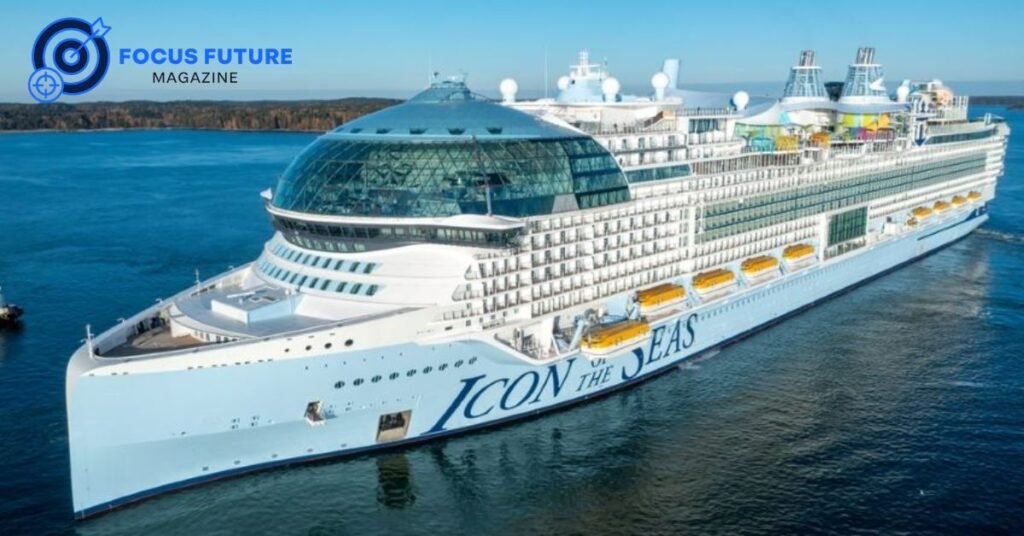
So, how much does it cost to build a cruise ship? The short answer: anywhere from $150 million for a small expedition vessel to more than $2 billion for a mega-ship like Royal Caribbean’s Icon of the Seas. That’s a massive range, and the final number depends heavily on the ship’s size, class, technology, and where it’s built.
Cruise ships are some of the most expensive moving objects ever made. A single mega-ship can cost more than an entire fleet of commercial aircraft, and the price tag keeps climbing as cruise lines add bigger waterparks, more restaurants, and cleaner engines. If you’ve ever wondered how much does it cost to build a cruise ship compared to, say, a decade ago, the answer is: a lot more. Average costs have risen 30–50% since 2020 due to inflation, supply chain pressure, and new environmental rules.
This guide breaks down exactly what goes into that price, using the latest 2026 industry data, so you can understand not just the headline number but what’s actually driving it.
Cruise Ship Construction Cost Overview
The cost to build a cruise ship in 2026 typically falls between $150 million and $2.2 billion, depending on the ship’s category. There is no single figure that applies to every vessel — a small expedition ship and a 250,000-ton mega-ship are worlds apart, even though both are technically “cruise ships.”
Here’s how the ranges break down by class:
| Ship Category | Gross Tonnage | Passenger Capacity | Estimated Total Cost | Cost Per Berth | Cost Per GT |
|---|---|---|---|---|---|
| Expedition / Boutique | 10,000–35,000 | 100–600 | $150M–$400M | $500k–$800k+ | $12k–$18k |
| Premium / Mid-Size | 60,000–120,000 | 1,500–3,000 | $600M–$1.1B | $300k–$450k | $8.4k–$8.9k |
| Ultra-Large / Mega | 180,000–250,000+ | 4,500–7,500 | $1.4B–$2.2B | $220k–$320k | $8k–$8.8k |
| Ultra-Luxury Boutique | 30,000–50,000 | 500–800 | $400M–$600M | $650k–$850k | $12k–$14k |
| Expedition Ice-Class | 25,000–35,000 | 200–400 | $350M–$550M | $1.1M–$1.5M | $14k–$18k |
Across the entire industry, the average new cruise ship now costs roughly $1.03 billion, up from around $750–900 million just a few years ago. That increase reflects rising material costs, stricter safety and emissions standards, and the sheer scale of today’s ships.
Most Expensive Cruise Ships Ever Built
If you want a real-world answer to how much does it cost to build a cruise ship at the top end of the market, look no further than Royal Caribbean’s Icon class. Icon of the Seas, delivered in 2024, cost approximately $2 billion to build — making it the most expensive cruise ship ever constructed. At roughly 250,800 gross tons and a capacity of 7,600 passengers, it’s also the largest passenger ship in the world.
Its sister ship, Star of the Seas, followed in 2025 at a similar price of about $1.9–2 billion. Other recent mega-ships come in slightly lower but still represent enormous investments:
- MSC World Europa (2022): around $1.1–1.2 billion
- MSC World America (2026): about $1.125 billion
- Disney Adventure (2026): approximately $1.1 billion
- Utopia of the Seas (2024): roughly $1.4–1.5 billion
- Carnival Celebration (2023): about $900 million
Comparing these to older ships puts the trend in perspective. Queen Mary 2, launched in 2004, cost about $800 million, while Oasis of the Seas in 2009 came in around $1.2 billion. The upward trajectory shows just how much bigger — and pricier — cruise ships have become.
Cost Breakdown: What Drives Cruise Ship Prices
Knowing the total price only tells half the story. To really understand how much does it cost to build a cruise ship, it helps to see where the money actually goes on a typical $1.8 billion vessel:
| Component | Share of Total | Typical Range | What It Covers |
|---|---|---|---|
| Materials | 25%–40% | $125M–$720M | Hull, superstructure, cabins, interiors |
| Labor | 15%–25% | $75M–$450M | Skilled trades, construction workforce |
| Equipment | 5%–12% | $25M–$180M | Deck gear, cranes, HVAC systems |
| Permits & Certification | 5%–10% | $25M–$100M | Classification society and safety approvals |
| Financing & Insurance | 6%–14% | $30M–$160M | Interest, hedging, warranty bonds |
| Delivery & Commissioning | 3%–7% | $15M–$70M | Sea trials, crew training, handover |
| Contingency | 5%–10% | $25M–$120M | Unforeseen costs, design changes |
Steel alone is a huge line item. A large cruise ship uses 50,000 to 70,000 tons of marine-grade steel, which at current prices adds $100–200 million to the budget — and that figure can swing significantly if steel prices spike mid-build. Design and engineering work, meanwhile, consumes 15–20% of the total project budget (roughly $300–400 million for an Icon-class ship) before a single piece of steel is even cut.
Key Cost Drivers Explained
Several specific factors push the price of a new ship up or down:
- Size and gross tonnage — bigger ships need more steel, more labor, and more time.
- Passenger capacity and cabin mix — more berths and luxury suites raise the per-berth cost.
- Propulsion technology — LNG, hybrid, and Azipod thruster systems can add 15–20% to construction costs.
- Onboard amenities — theaters, waterparks, pools, and specialty restaurants all add up.
- Shipyard location — European yards run 40–60% more expensive than Asian yards.
- Regulatory compliance — SOLAS safety rules, IMO emissions standards, and EU carbon rules all add cost.
- Interior outfitting quality — bespoke suites and premium finishes drive up luxury-ship pricing.
Understanding these drivers explains why two ships of similar size can have very different price tags. A ship built for a mainstream mass-market brand with standardized cabins will always cost less per berth than a boutique luxury ship with spacious suites and custom interiors.
Construction Timeline: From Design to Delivery
Part of what makes the cost to build a cruise ship so high is simply how long the process takes. A modern cruise ship typically takes 3 to 5 years from initial design to final delivery:
- Design & Engineering (12–24 months) — naval architecture, systems planning, regulatory approval. Roughly 15–20% of the budget.
- Contract & Financing (3–6 months) — the cruise line signs the contract and pays 20% of the cost in four installments.
- Steel Cutting to Floating Out (12–16 months) — hull construction and structural assembly, representing 40–50% of construction costs.
- Floating Out to Delivery (8–12 months) — interior fit-out, systems installation, and sea trials.
- Delivery — the remaining 80% of the cost is due, and the ship is officially handed over to the cruise line.
Smaller, simpler ships can be built in 12–18 months of active construction, while large modern mega-ships often need 24–36 months once steel cutting begins.
Where Are Cruise Ships Built?
Most of the world’s cruise ships come from three European shipyards: Fincantieri (Italy), Meyer Werft (Germany/Finland), and Chantiers de l’Atlantique (France). Together, these three yards dominate mega-cruise ship construction, and they’re currently booked five to ten years in advance — which gives them real pricing power.
Here’s how regional costs compare, measured in Compensated Gross Tonnage (CGT), the shipbuilding industry’s standard pricing metric:
| Region | Primary Shipyards | Cost per CGT | Build Cost (150k GT ship) | Labor Rate |
|---|---|---|---|---|
| Western Europe | Fincantieri, Meyer Werft, Chantiers de l’Atlantique | $6,500–$8,500 | $1.2B–$1.5B+ | $45–$75/hr |
| East Asia (China) | CSSC / Shanghai Waigaoqiao | $4,000–$5,500 | $850M–$1.05B | $15–$25/hr |
| East Asia (Japan/S. Korea) | Hyundai Heavy Industries, Mitsubishi | $5,500–$7,000 | $1.0B–$1.3B | $30–$50/hr |
Chinese shipbuilder CSSC is emerging as a lower-cost alternative through its Shanghai Waigaoqiao yard, building ships like Adora Flora City for around $750 million. However, Chinese yards haven’t yet built a mega-ship above 150,000 gross tons — that scale of construction still belongs almost exclusively to the European “Big Three.”
How Cruise Lines Finance New Ships
Given that a single mega-ship can cost $2 billion, most people wonder how cruise lines actually pay for them. The answer is export credit agency (ECA) financing, which typically covers about 80% of a ship’s total cost through government-backed loans at attractive interest rates.
The payment structure usually works like this:
- 20% of the total cost is paid by the cruise line during construction, spread across four milestone installments.
- 80% is due upon final delivery, often years after the original contract was signed.
Because these loans are government-backed, they come with below-market interest rates and long repayment terms — often 10 to 15 years. Cruise lines also use currency hedging to manage risk, since most are USD-based while paying European shipyards in euros over a multi-year build.
Current Cruise Ship Orderbook (2026)
The scale of investment across the whole industry is staggering. As of 2026, the global cruise ship orderbook includes 78–79 ships valued at approximately $80–90 billion, representing more than 205,000 berths scheduled for delivery through 2036–2039.
| Cruise Line | Ships on Order | Berths | Delivery Timeline |
|---|---|---|---|
| Norwegian Cruise Line Holdings | 17 | ~47,000 | Through 2037 |
| MSC Cruises | 14 | 52,000+ | Through 2033 |
| Royal Caribbean Group | 12 | ~49,000 | Through 2030 |
| Carnival Corporation | 10 | ~52,000 | Through 2039 |
The average ship in this orderbook costs about $1 billion, with a cost-per-berth average of $338,369–$372,778 — up sharply from historical averages of $132,000–$200,000 per berth in the 2010s. Notable recent additions include Meyer Werft’s roughly €10 billion order from MSC Cruises in December 2025, and two new Icon-class ships Royal Caribbean ordered for 2029 and 2030 delivery.
Operating Costs vs. Construction Costs
It’s easy to mix up the one-time cost to build a cruise ship with the ongoing cost to run one — but they’re very different numbers. Annual operating costs for a large cruise ship typically run $100–300 million, or roughly 10–20% of the original construction cost, every single year.
| Category | Annual Range | Per Passenger Day |
|---|---|---|
| Fuel | $60M–$180M | $5–$15 |
| Crew & Salaries | $40M–$120M | $13–$40 |
| Food & Beverages | $25M–$70M | $8–$23 |
| Maintenance & Repairs | $20M–$60M | $6–$20 |
On top of these annual costs, ships require dry docking every five years for major maintenance, which costs another $50–100 million per visit. Over a 30-year ship lifespan, operating and maintenance costs can end up equaling or even exceeding the original construction cost.
Environmental Regulations and Cost Impact
New environmental rules are one of the biggest reasons the cost to build a cruise ship keeps rising. Several regulations now directly affect design and construction:
- IMO 2020 Sulfur Cap — requires scrubbers or low-sulfur fuel.
- IMO Carbon Intensity Indicator (CII) — began enforcement in 2025, setting efficiency targets.
- EU Emissions Trading System (EU ETS) — fully implemented for maritime shipping in 2026.
- Ballast Water Management Convention — mandatory treatment systems on all newbuilds.
LNG propulsion has become close to standard on new mega-ships — Icon class, MSC’s World class, and Carnival’s Excel class all use it. It adds roughly 10–15% to upfront propulsion costs but typically delivers 20–30% in long-term fuel savings, with a payback period of 5–10 years. Ballast water treatment systems add another $2–5 million per ship, and classification society certification (Lloyd’s Register, DNV, RINA, Bureau Veritas) adds another 5–10% to overall costs.
Cost Per Berth vs. Cost Per Gross Ton
When comparing ships, it matters which metric you’re using. Cost per berth divides total cost by passenger capacity and is best for comparing how efficiently a ship uses its investment per guest. Cost per gross ton normalizes for the ship’s internal volume and works better when comparing ships of very different types or sizes.
Here’s why this matters: a small expedition ship like Hanseatic Nature cost only about $155 million total, but with just 199 passengers, that works out to roughly $779,000 per berth — far higher than a 7,600-passenger mega-ship like Icon of the Seas, which comes in around $263,000 per berth despite its much larger $2 billion price tag. Neither number is “wrong” — they’re just answering different questions about how much does it cost to build a cruise ship of that specific type.
Historical Cost Trends and Inflation
Comparing today’s prices to older ships without adjusting for inflation can be misleading. Queen Mary 2 cost about $300,000 per berth in 2004, which translates to roughly $480,000 per berth in 2026 dollars. Oasis of the Seas came in at $240,000 per berth in 2009, equivalent to about $340,000 today.
Overall, cruise ship construction costs have climbed 30–50% since 2020, driven by general inflation, pandemic-era supply chain disruptions, and the added expense of new emissions technology. This is one reason it’s important to check the publication date on any cost figures you come across — a number from 2021 may understate what the same ship would cost to build today.
Common Mistakes to Avoid
When researching how much does it cost to build a cruise ship, watch out for these common pitfalls:
- Using a single figure without context — a $150 million expedition ship and a $2 billion mega-ship are both “cruise ships,” but they’re not comparable.
- Confusing cost per berth with total cost — a low per-berth number doesn’t mean a cheap ship overall.
- Relying on outdated data — pre-2024 figures likely understate current prices.
- Mixing construction and operating costs — these are separate budgets on very different timelines.
- Ignoring shipyard location — European and Asian yards have meaningfully different pricing.
- Skipping the financing structure — without understanding ECA financing, the numbers can seem impossible.
Expert Tips for Understanding Cruise Ship Costs
- Use cost per berth when comparing ships built for similar passenger experiences.
- Use cost per gross ton when comparing ships of different sizes or purposes.
- Always check the publication date on any cost figure you find.
- Factor in environmental technology ROI — upfront LNG or hybrid costs often pay off within a decade.
- Remember to budget for dry docking every five years when thinking about total lifecycle cost.
- Keep the 3–5 year timeline in mind — a “two-year build” claim is usually only referring to active construction, not the full process.
FAQ: How Much Does It Cost to Build a Cruise Ship?
Q1: How much does it cost to build a cruise ship in 2026? In 2026, the cost to build a cruise ship typically ranges from $150 million to over $2 billion, depending on size and class. Expedition and boutique ships cost $150M–$400M, mid-size premium ships cost $600M–$1.1B, and ultra-large mega-ships cost $1.4B–$2.2B.
Q2: What is the most expensive cruise ship ever built? Icon of the Seas (2024) and its sister ship Star of the Seas (2025), both from Royal Caribbean, are the most expensive cruise ships ever built, at approximately $2 billion each.
Q3: How much does a cruise ship cost per passenger? Most cruise ships cost between $100,000 and $350,000 per berth to build. Mainstream mega-ships average $220,000–$280,000 per berth, while luxury and expedition ships can exceed $600,000–$850,000 per berth.
Q4: How long does it take to build a cruise ship? A modern cruise ship generally takes 3–5 years from initial design to delivery, including 12–36 months of active construction depending on ship size.
Q5: Where are cruise ships built? Most large cruise ships are built at three European shipyards: Fincantieri (Italy), Meyer Werft (Germany/Finland), and Chantiers de l’Atlantique (France). Chinese shipbuilder CSSC is an emerging lower-cost alternative for smaller ships.
Q6: How do cruise lines finance new ships? Cruise lines typically use export credit agency (ECA) financing, which covers about 80% of a ship’s cost. The remaining 20% is paid during construction in four installments, with the balance due at delivery.
Q7: How much does it cost to operate a cruise ship? Annual operating costs for a large cruise ship run $100–300 million, covering fuel, crew, food and beverage, and maintenance — roughly 10–20% of the ship’s original construction cost each year.
Conclusion
So, how much does it cost to build a cruise ship? It depends entirely on what kind of ship you’re talking about. A small expedition vessel might run $150–400 million, while a record-setting mega-ship like Icon of the Seas can cost a full $2 billion. What all of these ships share is a long, capital-intensive process — years of design, financing, steel cutting, and outfitting before a single passenger steps aboard.
With a global orderbook worth $80–90 billion and dozens of new ships scheduled through 2039, the cost to build a cruise ship isn’t going down anytime soon. Rising steel prices, stricter environmental rules, and ever-bigger ship designs all point toward continued growth in construction costs — which, ultimately, is part of what shapes the price of your next cruise ticket.